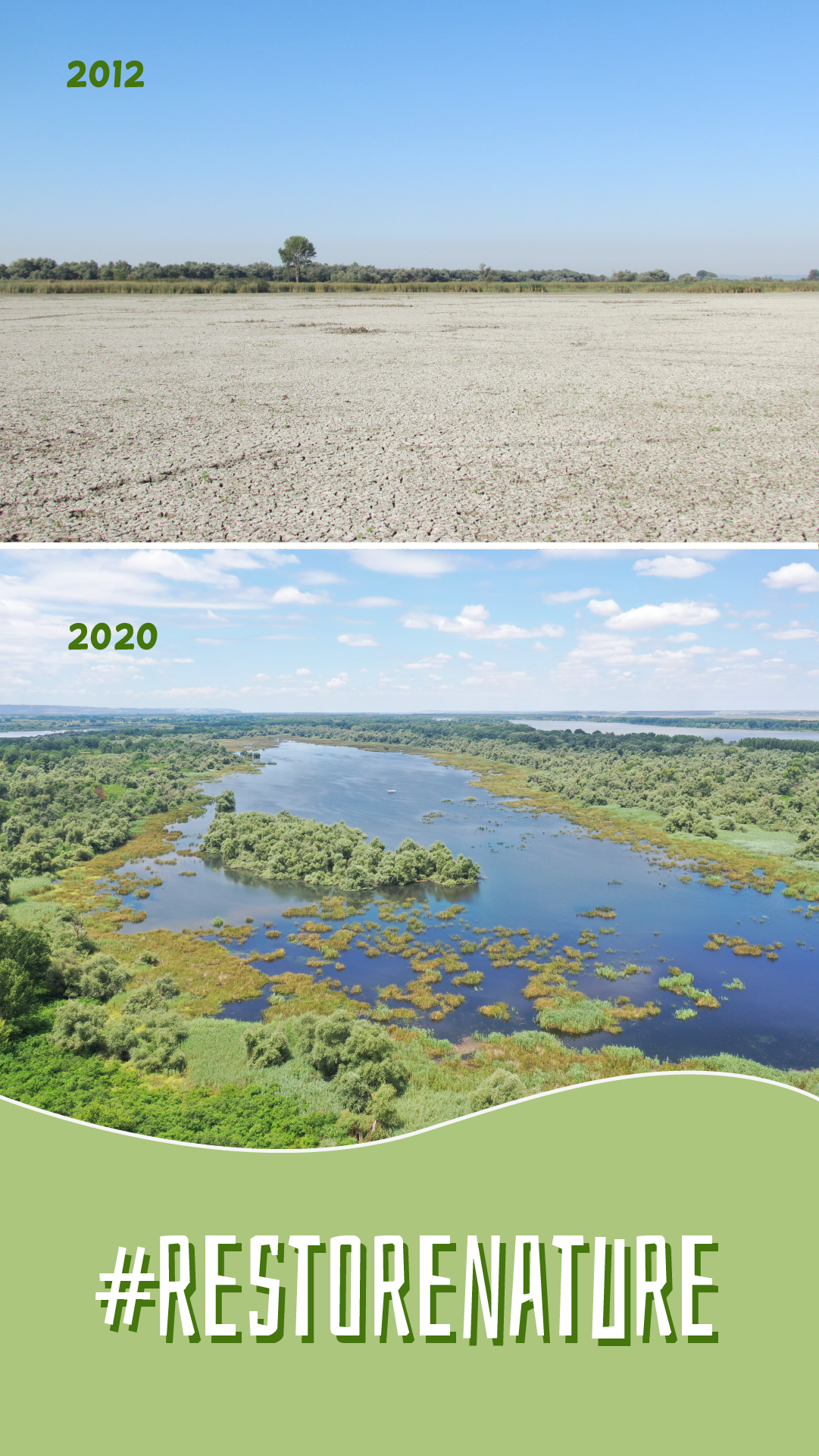
Draft National Restoration Plans Assessments
The EU Nature Restoration Law is a game changer for bringing nature and all its benefits back to life across Europe.
Each Member State must develop a National Restoration Plan setting out how it will meet the law’s legally binding targets and restore degraded ecosystems on land and at sea. These plans are a crucial tool to turn the law into action on the ground.
The #RestoreNature coalition is assessing countries’ progress and draft plans to help ensure restoration is science-based, ambitious, and properly resourced.
National Restoration Plans: where do EU countries stand?
After the 1 September 2026 deadline, 10 of the EU’s 27 Member States have submitted their draft National Restoration Plans to the European Commission so far.
The countries that have submitted drafts are Austria, Bulgaria, France, Ireland, Italy, Luxembourg, the Netherlands, Portugal, Spain and Sweden.
Seven of these ten draft plans – from Austria, Bulgaria, France, Italy, the Netherlands, Portugal, Spain and Sweden – are publicly available in the form submitted to the European Commission.
Transparency at this stage is crucial. Public access allows scientists, civil society and other stakeholders to scrutinise whether plans are ambitious, credible and sufficiently resourced, and whether they set out a clear path to restoring nature while there is still time to improve them.
The assessments of the draft plans are an important opportunity to showcase good practices, identify gaps, and provide concrete recommendations to inform the European Commission’s assessment and help Member States strengthen their plans before finalising them in 2027.
Country assessments of draft National Restoration Plans
The #RestoreNature coalition is assessing the publicly available draft national restoration plans using a common, evidence-based methodology to highlight progress, good practices, remaining gaps, and concrete recommendations to strengthen implementation of the EU Nature Restoration Law.
The assessments examine whether the draft plans provide a credible basis for achieving the law’s targets, including through effective restoration measures, adequate resources and meaningful public participation. Read more about our assessment methodology here.
This page will be updated as further draft plans become publicly available and new information on national progress emerges. Country assessments reflect draft plans and information available at the time of review.
Timeline: from national plans to restoration on the ground
- August 2024 – The law enters into force. The EU Nature Restoration Law becomes binding, setting targets for the recovery of Europe’s degraded ecosystems.
- 1 September 2026 – Draft plans due. Member States are required to submit their draft National Restoration Plans to the European Commission.
- From September 2026 – European Commission assessment. The Commission assesses the draft plans and may provide observations, which Member States must take into account when finalising them.
- 2027 – Final plans expected. Member States must finalise, publish and submit their final National Restoration Plans, within six months of receiving any observations from the European Commission. Final plans are generally expected around September 2027.
- Restoration on the ground – Already underway. Countries must implement and scale up restoration measures to meet the law’s legally binding targets for 2030, 2040 and 2050, without waiting for the plans to be finalised.